pawel.ai
luckysheriff casinomystakeslots palace casinospinline kasyno polskabillionairespinvegas herocashedgratowin casinogamblezen casinonv casinosweetyspin approyal spinia casinocrorewinkatanaspinlucky capone casinochickenroadboomzino onlinebetty spin casinochicken road gamegalacasino logingunsbet casinohippodrom onlinekingjohnnieluxurycasinopocketwinslotexospinbetter casino no deposit bonusspin grannythorfortune casinowinbeatz promo code

Kontrowersje wokół OpenAI: Problemy z zaufaniem, etyką i transparentnością

OpenAI, jedna z wiodących firm w dziedzinie sztucznej inteligencji, stanęła w centrum uwagi nie tylko z powodu swoich zaawansowanych technologii, ale również licznych kontrowersji. Problemy z zaufaniem publicznym, wewnętrzne dramaty, etyczne wątpliwości i zarzuty dotyczące braku transparentności budzą coraz większe zainteresowanie opinii publicznej. Co naprawdę dzieje się wewnątrz OpenAI? Przyjrzyjmy się bliżej tym zagadnieniom.

Wprowadzenie do kontrowersji wokół OpenAI

OpenAI zdobyła reputację jako pionier w dziedzinie sztucznej inteligencji, szczególnie dzięki produktom takim jak Chat GPT. Jednak wraz z sukcesem pojawiły się liczne kontrowersje, które podważają zaufanie do firmy. Wśród nich są zwolnienia i powroty kluczowych postaci, kwestie etyczne związane z rozwojem AI oraz zarzuty dotyczące braku transparentności i komunikacji.

Dramaty wewnątrz firmy: zwolnienia i ponowne zatrudnienia

Jednym z najgłośniejszych przykładów wewnętrznych dramatów OpenAI było zwolnienie i późniejsze ponowne zatrudnienie Sama Altmana oraz innych członków zarządu. Sygnalizowało to poważne problemy w strukturalnej spójności i zarządzaniu firmą, co w konsekwencji wpłynęło na zaufanie pracowników i opinii publicznej do kierownictwa OpenAI.

Problemy z komunikacją i transparentnością w OpenAI

Brak odpowiedniej komunikacji wewnętrznej również stał się problemem. Przykładem może być fakt, że zarząd OpenAI nie został poinformowany o wprowadzeniu Chat GPT, zanim wiadomość nie została ogłoszona na Twitterze. Takie incydenty rodzą wątpliwości co do sposobu, w jaki firma komunikuje się wewnętrznie oraz na zewnątrz.

Kwestie etyczne i bezpieczeństwa związane z rozwojem AI

Rozwój AI towarzyszy licznym kwestiom etycznym i bezpieczeństwa. OpenAI często staje przed zarzutami o brak dbałości o te aspekty. Rozwiązanie zespołu odpowiedzialnego za dostosowanie etyczne i bezpieczeństwo podniosło alarmy, czy firma jest rzeczywiście zdeterminowana, aby zachować najwyższe standardy w tych dziedzinach.

Reakcje publiczne i dalsze kroki dla OpenAI

Reakcje publiczne na kontrowersje wokół OpenAI są mieszane. Wielu ludzi krytykuje firmę za brak transparentności i etycznych standardów, podczas gdy inni wciąż mają nadzieję, że OpenAI przeprowadzi znaczące reformy. Utworzenie nowego Komitetu ds. Bezpieczeństwa i Ochrony to krok, który ma odpowiedzieć na krytykę, choć jego skuteczność pozostaje do oceny.

Podsumowując, OpenAI stoi przed wieloma wyzwaniami, które muszą zostać rozwiązane, aby odzyskać zaufanie publiczne i zapewnić, że ich technologie rozwijane są w sposób etyczny i przejrzysty. Rozwiązanie tych problemów będzie kluczowe dla przyszłości firmy oraz dla dalszego rozwoju sztucznej inteligencji jako całości.

Najnowsze Wydarzenia w Świecie AI: Od GPT-3.5 po Adobe Firefly

Świat sztucznej inteligencji rozwija się w zawrotnym tempie, a najnowsze innowacje i kontrowersje w tej dziedzinie wpływają na nasze życie codzienne oraz kształtują przyszłość technologii. Od ekscytujących premier na konferencji Microsoft Build 2023, przez burzliwe dyskusje wokół GPT-3.5 od OpenAI, aż po najnowsze funkcje w takich platformach jak Adobe Firefly – zrozumienie najnowszych wydarzeń w świecie AI jest teraz ważniejsze niż kiedykolwiek. Zapraszamy do przeczytania naszego artykułu, który przybliży kluczowe aspekty i wyzwania związane z najnowszymi dokonaniami w dziedzinie sztucznej inteligencji.

Kontrowersje wokół GPT-3.5 i OpenAI

Kontrowersje wokół GPT-3.5 od OpenAI nie ustają. Jednym z głównych zarzutów jest nieautoryzowane użycie głosu w modelu GPT-3.5, który przypominał głos Scarlett Johansson. Wzbudziło to spore dyskusje na temat etyki i praw autorskich w kontekście sztucznej inteligencji. Dodatkowo, Yan LeCun, szef super alignemnt w OpenAI, opuścił firmę, krytykując skupienie się na bezpieczeństwie i zabezpieczeniach, co podważa priorytety firmy. Te wydarzenia stawiają OpenAI w trudnym świetle i zmuszają do refleksji nad przyszłym rozwojem AI.

Nowości z Microsoft Build 2023

Na tegorocznej konferencji Microsoft Build zaprezentowano wiele nowych funkcji, które wzmacniają pozycję firmy w dziedzinie sztucznej inteligencji. Wśród nowości warto wymienić Co-pilot PCs, które wyposażono w dedykowane chipy AI. Kontrowersje wzbudziła funkcja Recall, która budzi obawy związane z prywatnością i bezpieczeństwem danych. Również narzędzia zintegrowane z Microsoft Paint i Edge, takie jak tłumaczenie i transkrypcja napędzane przez AI, zyskały dużą uwagę.

Integracje i aktualizacje w AI art generation

Platformy do generowania sztuki przez AI, takie jak Leonardo i Mid Journey, nieustannie się rozwijają, oferując użytkownikom nowe funkcje i integracje. Leonardo wprowadziło aktualizacje ułatwiające tworzenie spójnych stylów artystycznych oraz jednolite postacie i struktury obrazów. Tymczasem Mid Journey dało użytkownikom możliwość tworzenia prywatnych i publicznych pokojów do wspólnego generowania obrazów, co pozwala na interakcje i współtworzenie w czasie rzeczywistym.

Warto również wspomnieć o integracji Adobe Firefly z Lightroomem, co umożliwia użytkownikom korzystanie z generatywnej funkcji usuwania elementów bezpośrednio w Lightroomie. Ten ruch znacząco upraszcza proces edycji zdjęć, eliminując potrzebę dodatkowej pracy w oprogramowaniu Photoshop.

Podsumowanie najnowszych innowacji AI

Najnowsze wydarzenia w świecie sztucznej inteligencji pokazują, jak dynamicznie zmienia się ta dziedzina. Kontrowersje związane z GPT-3.5 i etycznymi kwestiami, nowatorskie funkcje prezentowane na Microsoft Build 2023 oraz ciągłe ulepszenia w platformach generujących AI art, takich jak Leonardo czy Mid Journey, pokazują, że przyszłość AI jest pełna możliwości i wyzwań.

Rozwój technologii AI rodzi wiele pytań, zarówno technicznych, jak i etycznych, które musimy rozważyć. Przyszłość sztucznej inteligencji zależy od odpowiedzialnych decyzji, które będą miały na celu nie tylko rozwój technologiczny, ale i dobro społeczeństwa. Wpływ AI na nasze życie codzienne staje się coraz bardziej widoczny, dlatego warto śledzić najnowsze wydarzenia i dostosowywać się do zmieniającego się krajobrazu technologicznego.

Unleashing the Power of AI: How Artificial Intelligence is Revolutionizing Technology

Artificial Intelligence (AI) is transforming the world as we know it. From self-driving cars to virtual assistants, AI is revolutionizing technology in unprecedented ways. With its ability to analyze vast amounts of data and make intelligent decisions, AI is unleashing a new era of innovation and efficiency, promising a future filled with endless possibilities.

Read more

Evolution of IoT: From Concept to Reality

cept of the Internet of Things (IoT) has been around for decades, but it wasn’t until recent years that it has become a reality. With the rapid advancement of technology, the evolution of IoT has been nothing short of remarkable. From connecting everyday devices to creating smart homes and cities, the potential of IoT is endless. In this article, we will delve into the journey of IoT from a mere concept to a tangible reality, and how it has transformed the way we live, work, and interact with the world around us. Join us as we explore the fascinating evolution of IoT and its impact on our daily lives.

Evolution of IoT: From Concept to Reality and Its Impact on Daily Life

evolution of IoT can be traced back to the early 1980s when the first internet-connected appliance, a Coke machine at Carnegie Mellon University, was able to report its inventory and temperature. However, it was not until the late 1990s and early 2000s that the term “Internet of Things” was coined and the concept gained more attention.

The early 2000s saw the rise of smartphones and the development of wireless technologies, which paved the way for the growth of IoT. With the introduction of Bluetooth and Wi-Fi, it became easier to connect devices to the internet and each other. This led to the development of smart home devices such as thermostats, security systems, and lighting systems, which could be controlled remotely through a smartphone or computer.

The real breakthrough for IoT came with the development of low-cost


cept of the Internet of Things (IoT) has been around for decades, but it wasn’t until recent years that it has become a reality. With the rapid advancement of technology, the evolution of IoT has been nothing short of remarkable. From connecting everyday devices to creating smart homes and cities, the potential of IoT is endless. In this article, we will delve into the journey of IoT from a mere concept to a tangible reality, and how it has transformed the way we live, work, and interact with the world around us. Join us as we explore the fascinating evolution of IoT and its impact on our daily lives.

Evolution of IoT: From Concept to Reality and Its Impact on Daily Life

evolution of IoT can be traced back to the early 1980s when the first internet-connected appliance, a Coke machine at Carnegie Mellon University, was able to report its inventory and temperature. However, it was not until the late 1990s and early 2000s that the term “Internet of Things” was coined and the concept gained more attention.

The early 2000s saw the rise of smartphones and the development of wireless technologies, which paved the way for the growth of IoT. With the introduction of Bluetooth and Wi-Fi, it became easier to connect devices to the internet and each other. This led to the development of smart home devices such as thermostats, security systems, and lighting systems, which could be controlled remotely through a smartphone or computer.

The real breakthrough for IoT came with the development of low-cost sensors and the widespread use of cloud computing. These advancements made it possible to collect and store large amounts of data from various devices and analyze it in real-time. This opened up a whole new world of possibilities for IoT, from smart cities to industrial applications.

Today, IoT has become a reality, and its impact on our daily lives is undeniable. It has transformed the way we live, work, and interact with our surroundings. Smart home devices have made our lives more convenient by allowing us to control our appliances, lighting, and security systems with a simple voice command or a tap on our smartphones. This has not only improved our quality of life but also made our homes more energy-efficient.

In the healthcare industry, IoT has enabled the development of wearable devices that can monitor our health and send real-time data to healthcare professionals. This has revolutionized the way we manage chronic conditions and has the potential to save lives by providing early detection of health issues.

IoT has also had a significant impact on transportation and logistics. With the use of sensors and GPS tracking, companies can now monitor their vehicles and shipments in real-time, improving efficiency and reducing costs. This has also led to the development of self-driving cars, which have the potential to make our roads safer and reduce traffic congestion.

In the retail industry, IoT has enabled the development of smart shelves and inventory management systems, which can track inventory levels and automatically reorder products when they run low. This has not only improved the shopping experience for customers but also increased efficiency for retailers.

However, with the benefits of IoT also come concerns about privacy and security. As more devices become connected to the internet, the risk of cyber attacks and data breaches increases. It is crucial for companies and individuals to prioritize security measures to protect sensitive data and ensure the safe use of IoT devices.

In conclusion, the evolution of IoT from a concept to a reality has had a significant impact on our daily lives. It has transformed the way we live, work, and interact with our surroundings, making our lives more convenient, efficient, and connected. As technology continues to advance, the potential for IoT is limitless, and it will continue to shape our future in ways we cannot even imagine.

A


Transhumanism…

Transhumanism… A Path to an Enhanced Human Experience?

Executive Summary

Transhumanism, an intriguing concept that has sparked extensive debate, envisions a future where humanity transcends its biological limitations through technological advancements. This article explores the multifaceted nature of transhumanism, providing an in-depth analysis of its subtopics, ethical implications, and potential benefits.

Introduction

Transhumanism is a philosophical and scientific movement that advocates for the use of technology to improve human capabilities. Its proponents believe that humans can and should use technology to overcome aging, disease, and even enhance our cognitive abilities.

FAQs

  1. What is the main goal of transhumanism?

    • To eliminate suffering and enhance human potential through technological means.
  2. Is transhumanism a realistic goal?

    • The feasibility of transhumanism is subject to ongoing scientific research and technological advancements.
  3. What are the ethical concerns surrounding transhumanism?

    • Issues such as equity, privacy, and the potential for abuse of technology raise ethical questions.

Subtopics of Transhumanism

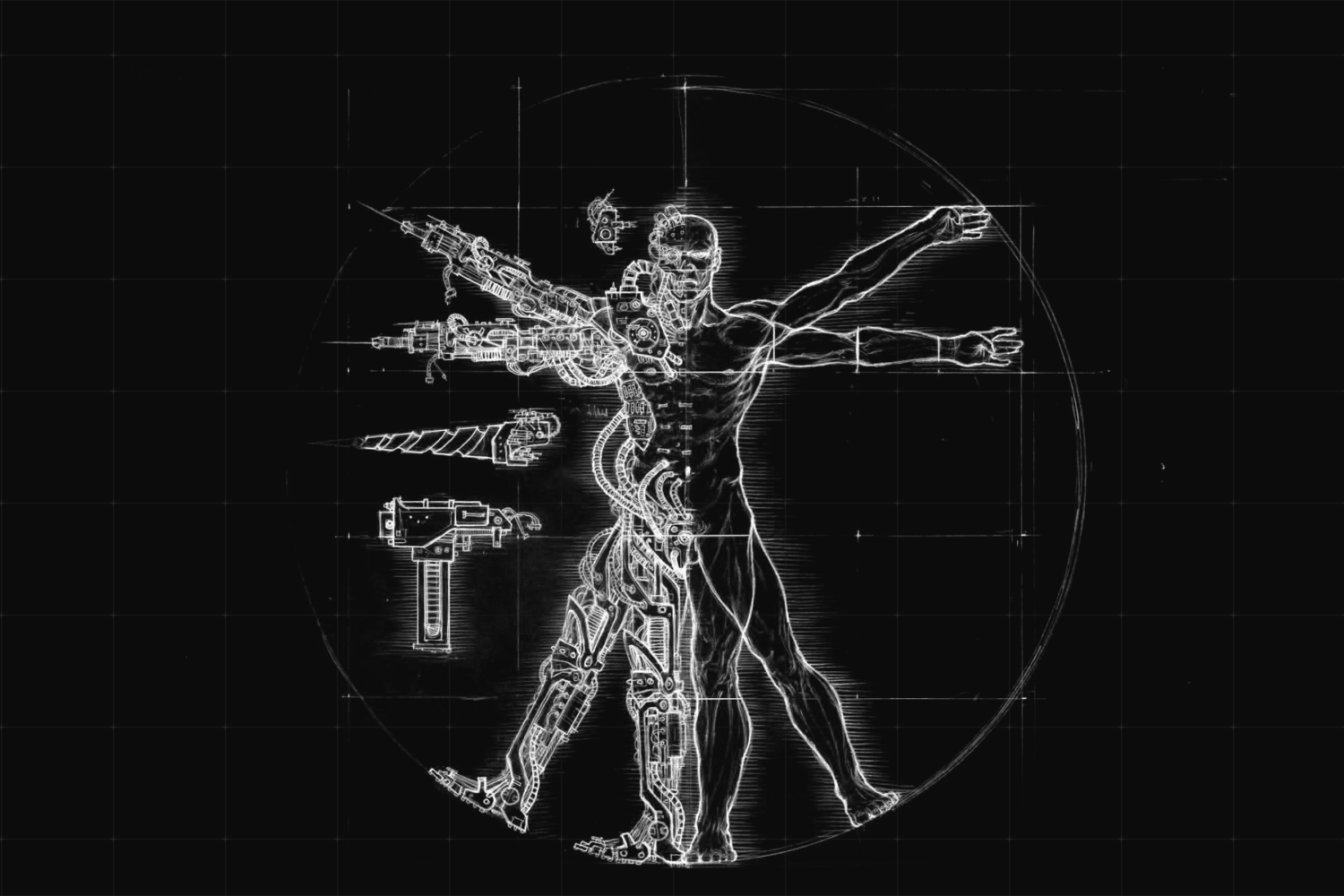
Cyborgization

  • Integration of technology with the human body
  • Biomechanical enhancements: Exoskeletons, prosthetics, and implants
  • Neural interfaces: Enhancing brain connectivity and processing

Genetic Engineering

  • Modification of genes to enhance traits or prevent diseases
  • Gene therapy: Treating genetic disorders
  • Genetic enhancement: Improving physical, cognitive, or behavioral characteristics

Mind Enhancement

  • Technologies for improving cognitive abilities
  • Brain stimulation: Non-invasive stimulation techniques for enhancing memory and attention
  • Neural implants: Devices implanted in the brain to improve processing and communication

Life Extension

  • Technologies to extend human lifespan
  • Anti-aging therapies: Slowing down the aging process
  • Cryonics: Preserving bodies at ultra-low temperatures

Singularity

  • A hypothetical point in time when technological advancements accelerate exponentially
  • Artificial superintelligence: Machines surpassing human intelligence
  • Technological integration: Merging of human and machine capabilities

Conclusion

Transhumanism presents a captivating vision of a future where humans transcend their current limitations. While ethical considerations and technological challenges remain, the potential benefits of transhumanism are substantial. As technology continues to advance, it will be essential to engage in thoughtful discussions about the implications and potential applications of this transformative concept.

Keyword Tags

  • Transhumanism
  • Cyborgization
  • Genetic Engineering
  • Mind Enhancement
  • Life Extension

The Evolution of Transhumanism: From Science Fiction to Real-Life Possibilities

manism, a concept that was once confined to the pages of science fiction novels, has now become a topic of serious discussion and exploration in the scientific community. This movement, which aims to enhance human capabilities through the use of technology, has evolved from a mere fantasy to a potential reality. In this article, we will delve into the evolution of transhumanism, from its origins in science fiction to the current possibilities and advancements in the field. Join us as we explore the fascinating journey of transhumanism and its potential impact on the future

Technological Advancements and the Rise of Transhumanism

Transhumanism is a philosophical and cultural movement that advocates for the use of technology to enhance human capabilities and transcend the limitations of the human body. It is based on the belief that humans can and should use technology to improve their physical, mental, and emotional abilities, ultimately leading to a post-human or transhuman state.

The roots of transhumanism can be traced back to the early 20th century, with the works of scientists and philosophers such as J.B.S. Haldane and Julian Huxley. However, it was not until the 1980s that the term “transhumanism” was coined by futurist F.M. Esfandiary, who later changed his name to FM-2030 to reflect his belief in the potential of technology to extend human lifespan.

One of the key drivers of transhumanism is the rapid advancement of technology, particularly in the fields of biotechnology, nanotechnology, and artificial intelligence. These advancements have made it possible to manipulate and enhance the human body and mind in ways that were previously unimaginable. For example, with the use of prosthetics, individuals can now regain lost limbs and even improve upon their natural abilities In the field of medicine, gene editing and stem cell research have the potential to cure diseases and extend human lifespan.

The rise of transhumanism has also been fueled by the increasing integration of technology into our daily lives. Smartphones, wearable devices, and virtual assistants have become an integral part of our existence, blurring the lines between human and machine. This has led to a growing acceptance and even desire for technological enhancements, as people become more comfortable with the idea of merging with technology.

However, the concept of transhumanism is not without its critics. Some argue that it goes against the natural order of things and raises ethical concerns about the potential consequences of altering the human body and mind. There are also concerns about the widening gap between those who can afford these enhancements and those who cannot, leading to a potential societal divide.

Despite these concerns, the transhumanist movement continues to gain momentum, with organizations such as Humanity+ and the Transhumanist Party advocating for the use of technology to improve the human condition. The ultimate goal of transhumanism is to create a post-human society where humans have transcended their biological limitations and achieved immortality.

In conclusion, technological advancements have played a significant role in the rise of transhumanism, blurring the lines between what is considered human and what is considered machine. While the movement raises ethical and societal concerns, it also offers the potential for a future where humans have achieved unprecedented levels of physical, mental, and emotional capabilities. Whether this future is a utopia or a dystopia remains to be seen, but one thing is for sure – transhumanism is a movement that will continue to shape our world in the years to come.

– Explore the role of technological advancements in the development of transhumanism

One of the key areas where technology has greatly influenced transhumanism is in the field of medicine. With the help of advanced medical procedures and treatments, humans can now live longer and healthier lives. This has led to the idea of extending human lifespan indefinitely, a concept known as “immortality.” Scientists are currently working on developing technologies that can slow down the aging process and even reverse it. This has opened up the possibility of humans living for hundreds, if not thousands, of years.

Another significant aspect of transhumanism is the use of technology to enhance human physical abilities. With the help of prosthetics, exoskeletons, and other advanced devices, people with disabilities can now perform tasks that were previously impossible for them. This has not only improved their quality of life but has also given them a sense of empowerment and independence. In the future, it is believed that these technologies will be available to everyone, allowing humans to surpass their physical limitations and achieve superhuman abilities.

The field of artificial intelligence (AI) has also played a crucial role in the development of transhumanism. AI has the potential to greatly enhance human cognitive abilities, making us smarter, faster, and more efficient. With the help of AI, humans can process vast amounts of information and make decisions at a much faster rate. This has already been demonstrated in various fields, such as finance, healthcare, and transportation. In the future, AI is expected to play an even more significant role in enhancing human intelligence, blurring the lines between man and machine.

Genetic engineering is another technology that has the potential to transform the concept of transhumanism. With the ability to manipulate the genetic code, scientists can now create genetically modified organisms (GMOs) that possess desired traits. This technology has the potential to eliminate genetic diseases, enhance physical and mental abilities, and even create new species. While there are ethical concerns surrounding genetic engineering, it cannot be denied that it has the potential to greatly impact the future of humanity.

In addition to these technological advancements, the rise of the internet and social media has also played a significant role in the development of transhumanism. The internet has made it possible for people to connect and share information globally, leading to the rapid spread of transhumanist ideas and beliefs. Social media has also provided a platform for transhumanists to come together, discuss their ideas, and collaborate on projects.

In conclusion, technological advancements have played a crucial role in the development of transhumanism. From enhancing human physical abilities to extending lifespan and improving cognitive abilities, technology has opened up endless possibilities for human enhancement. While there are concerns about the ethical implications of these advancements, it cannot be denied that they have the potential to greatly impact the future of humanity. As technology continues to advance, it is likely that the concept of transhumanism will become more mainstream, blurring the lines between what is considered human and what is not.

– Discuss how breakthroughs in fields such as biotechnology, artificial intelligence, and nanotechnology have made transhumanist ideas more feasible

One of the key areas where transhumanist ideas have gained traction is in the field of biotechnology. With advancements in genetic engineering, scientists are now able to manipulate the DNA of living organisms, including humans. This has opened up the possibility of enhancing human abilities by altering our genetic makeup. For example, scientists have already successfully used gene therapy to cure certain genetic diseases, and there is ongoing research into using gene editing to enhance cognitive abilities and physical strength.

Another field that has greatly contributed to the feasibility of transhumanist ideas is artificial intelligence (AI). AI has made significant progress in recent years, with machines now able to perform complex tasks and learn from experience. This has led to the development of AI-powered prosthetics and exoskeletons that can enhance human strength and mobility. Additionally, AI is being used to develop brain-computer interfaces, which could potentially allow humans to control machines with their thoughts, blurring the line between man and machine.

Nanotechnology, the science of manipulating matter at the molecular level, has also played a crucial role in making transhumanist ideas more feasible. With nanotechnology, scientists are able to create materials and devices with unprecedented precision and control. This has led to the development of nanobots, tiny robots that can be injected into the human body to perform specific tasks, such as repairing damaged cells or delivering targeted drug treatments. Nanotechnology also has the potential to greatly enhance human abilities, such as increasing strength and endurance, by creating stronger and more durable materials for use in prosthetics and implants.

The combination of these breakthroughs in biotechnology, AI, and nanotechnology has paved the way for the realization of transhumanist ideas. With the ability to manipulate our genetic makeup, enhance our cognitive and physical abilities, and integrate technology into our bodies, the possibilities for human enhancement are endless. Some transhumanists envision a future where humans can live indefinitely, free from disease and physical limitations, while others imagine a world where humans can merge with machines and become a new species altogether.

However, with these advancements also come ethical and societal implications. The idea of enhancing human abilities and extending lifespan raises questions about what it means to be human and the potential consequences of playing with our genetic makeup. There are also concerns about the potential for a widening gap between those who can afford these enhancements and those who cannot, leading to social inequality.

In conclusion, the breakthroughs in biotechnology, AI, and nanotechnology have made transhumanist ideas more feasible than ever before. While the concept of transhumanism may still seem like science fiction to some, the rapid pace of technological advancement suggests that a future where humans can enhance their abilities and extend their lifespan is not too far off. As we continue to push the boundaries of science and technology, it is important to consider the ethical and societal implications of these advancements and ensure that they are used for the betterment of humanity.

– Analyze the ethical and societal implications of these advancements in relation to transhumanism

One of the key ethical concerns surrounding transhumanism is the idea of playing God. By altering the human body and mind through technology, transhumanists are essentially taking on the role of creators, blurring the lines between what is natural and what is artificial. This raises questions about the limits of human intervention and the potential consequences of tampering with the natural order of things. It also brings up concerns about the unequal distribution of these enhancements, as only those who can afford them will have access to them, creating a divide between the enhanced and the unenhanced.

Another ethical consideration is the potential for unintended consequences. While transhumanists envision a future where technology can eliminate disease, enhance intelligence, and extend human lifespan, there is always the risk of unforeseen consequences. For example, the use of gene editing technology to eliminate certain diseases could also lead to unintended genetic mutations or the creation of designer babies, raising questions about the ethics of altering the human genome.

In addition to ethical concerns, transhumanism also has significant societal implications. One of the main goals of transhumanism is to overcome the limitations of the human body, including aging and death. While this may seem like a desirable outcome, it also raises questions about the impact on society. If people are able to live much longer, how will this affect the job market, retirement, and the distribution of resources? Will there be a need for population control measures? These are important questions that must be addressed as transhumanism continues to advance.

Furthermore, transhumanism also challenges traditional notions of what it means to be human. With the potential for enhanced intelligence, physical abilities, and even immortality, the line between human and machine becomes increasingly blurred. This could lead to a redefinition of what it means to be human and could potentially create divide between those who choose to enhance themselves and those who do not.

In conclusion, while the advancements in technology that support transhumanism have the potential to greatly improve human life, they also raise significant ethical and societal implications. It is important for these advancements to be carefully considered and regulated to ensure that they are used for the betterment of humanity and do not lead to unintended consequences or further societal divides. As we continue to push the boundaries of what is possible through technology, it is crucial that we also consider the ethical and societal implications of these advancements in relation to transhumanism.

Stretching for 277 miles and with a width of up to 18 miles, the Grand Canyon is one of the largest canyons in the world. It is a part of the Colorado River basin and is carved into the Colorado Plateau. The canyon is divided into two sections – the North Rim and the South Rim. The South Rim is the most popular and accessible, while the North Rim is more remote and less visited.

The Grand Canyon is not just a giant hole in the ground, but a complex ecosystem that is home to a diverse range of plant and animal species. The canyon’s unique topography and varying elevations have created a variety of habitats, making it a haven for wildlife. Visitors to the canyon may spot bighorn sheep, mule deer, elk, and even the endangered California condor.

One of the best ways to experience the Grand Canyon is by hiking one of its many trails. The most famous of these is the Bright Angel Trail, which takes hikers down to the bottom of the canyon. This challenging hike offers stunning views of the canyon and its layers of colorful rock formations. For those who prefer a less strenuous option, there are also several viewpoints along the rim that offer panoramic views of the canyon.

Another popular way to see the Grand Canyon is by taking a helicopter or airplane tour. These tours provide a unique perspective of the canyon and allow visitors to see its vastness from a bird’s eye view. Some tours even offer the opportunity to land at the bottom of the canyon and take a boat ride along the Colorado River.

Aside from its natural beauty, the Grand Canyon also has a rich history and cultural significance. The canyon has been inhabited by Native American tribes for thousands of years, and their presence can still be felt through their traditional dwellings and artifacts. Visitors can learn about the canyon’s history and the tribes that call it home at the Grand Canyon National Park Visitor Center.

In addition to its stunning landscapes and rich history, the Grand Canyon also offers a range of recreational activities for visitors to enjoy. From camping and rafting to horseback riding and stargazing, there is something for everyone at this natural wonder.

In conclusion, the Grand Canyon is a must-see destination for anyone seeking to experience the beauty and power of nature. Its grandeur and diversity make it a truly unique and unforgettable place. Whether you choose to hike, fly, or simply admire it from the rim, the Grand Canyon is sure to leave a lasting impression on all who visit.


lusion, the evolution of transhumanism has been a fascinating journey from its origins in science fiction to its current real-life possibilities. With advancements in technology and science, the concept of enhancing human capabilities and extending lifespan is no longer just a fantasy. From bionic limbs to brain-computer interfaces, transhumanism is paving the way for a future where humans can transcend their biological limitations. However, as with any emerging technology, ethical and societal implications must be carefully considered. As we continue to push the boundaries of what it means to be human, it is crucial to have open and informed discussions about the potential benefits and risks of transhumanism. Ultimately, the evolution of transhumanism holds immense potential for shaping the future of humanity, and it is up to us to ensure that it is done responsibly and ethically.

[ut_header tag=”h6″ align=”center” title_linebreak_mobile=”on” lead_linebreak_mobile=”on” font_size=”font-size-unit=px&desktop_large=150&desktop_small=global&tablet=global&mobile=global” line_height=”line-height-unit=px&desktop_large=150&desktop_small=global&tablet=global&mobile=global” title_letter_spacing=”desktop_large=global&desktop_small=global&tablet=global&mobile=global” glitch_distortion_effect=”permanent” glitch_distortion_effect_style=”style-2″ title=”win.or.learn” title_color=”#000000″ lead_color=”#000000″][/ut_header][ut_custom_heading tag=”div” align=”center” font_size=”font-size-unit=px&desktop_large=20&desktop_small=global&tablet=global&mobile=global” line_height=”line-height-unit=%25&desktop_large=150&desktop_small=inherit&tablet=inherit&mobile=inherit” letter_spacing=”desktop_large=0.2&desktop_small=global&tablet=global&mobile=global” text_transform=”uppercase” color=”#000000″ css=”.vc_custom_1745854150426{margin-bottom: 40px !important;}”]Insight –> Impact[/ut_custom_heading]
[ut_social_follow align=”center” gap=”40 Pixel” size=”30″ socials=”%5B%7B%22icon%22%3A%22fa%20fa-facebook%22%2C%22colors%22%3A%22custom%22%2C%22icon_color_hover%22%3A%22%233b5998%22%7D%2C%7B%22icon%22%3A%22fa%20fa-twitter%22%2C%22colors%22%3A%22custom%22%2C%22icon_color_hover%22%3A%22%231da1f2%22%7D%2C%7B%22icon%22%3A%22fa%20fa-instagram%22%2C%22colors%22%3A%22custom%22%2C%22icon_color_hover%22%3A%22%23e1306c%22%7D%2C%7B%22icon%22%3A%22fa%20fa-youtube%22%2C%22colors%22%3A%22custom%22%2C%22icon_color_hover%22%3A%22%23ff0000%22%7D%5D” icon_color=”#000000″ css=”.vc_custom_1614985268700{margin-bottom: 0px !important;}” icon_color_hover=”rgba(0,0,0,0.5)”]
[ut_accordion border=”no” count=”no” css=”.vc_custom_1614580215491{margin-bottom: 0px !important;}” label_color=”rgba(0,0,0,0.5)” label_active_color=”#000000″ icon_color=”rgba(0,0,0,0.5)” icon_active_color=”#000000″][ut_accordion_item label=”Imprint”]This Demo Website is part of the Brooklyn WordPress Theme!

https://unitedthemes.com[/ut_accordion_item][/ut_accordion]

Chat Icon